


As we step into a new year, January is the perfect time to take stock — of both the economy and the financial opportunities that come with a fresh start. Here’s a quick look at where things stand and a few smart tax-planning ideas to consider early in the year.
📊 A Quick Look at the Economy
The U.S. economy enters the year on steadier footing than we’ve seen in a while:
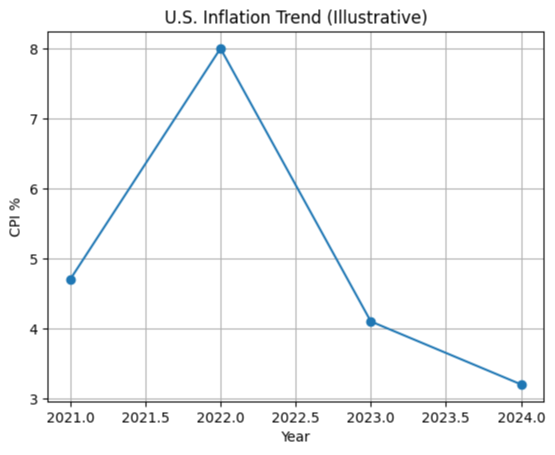
• Inflation has cooled from its peak, giving households and businesses some breathing room.
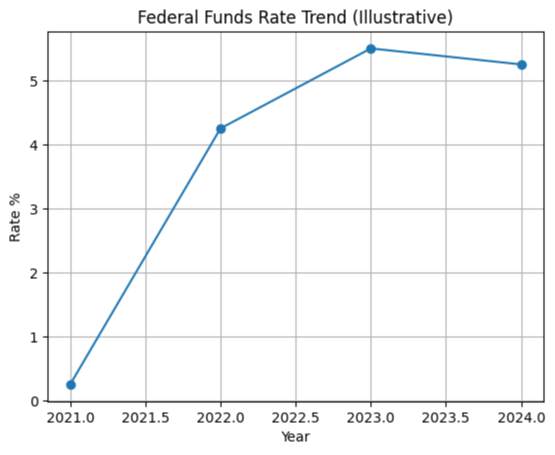
• Interest rates remain elevated, but the pace of increases has slowed, creating more clarity for borrowers and investors.
• The labor market remains resilient, supporting consumer spending even as growth moderates.
What this means for you:
We may be shifting from a period of rapid change to one of measured opportunity — a time when disciplined planning matters more than dramatic moves.
💡 First-Quarter Tax Moves to Consider
A little planning early in the year can make a big difference next April.
1. Start retirement contributions early
Maximizing 401(k), IRA, and Roth contributions sooner allows compounding to work for you all year long.
2. Review withholding and estimated taxes
Bonuses, business income, or life changes can easily throw off your tax balance. A first-quarter checkup helps avoid surprises later.
3. Look for strategic Roth opportunities
If your income may fluctuate, early planning around Roth conversions can create long-term tax flexibility.
4. Organize deductions and charitable giving
January is the ideal time to plan:
– Bunching deductions
– Using donor-advised funds
– Donating appreciated assets
5. Use Qualified Charitable Distributions (QCDs) for RMDs
If you are age 70½ or older and charitably inclined, a Qualified Charitable Distribution allows you to give directly from your IRA to a qualified charity — up to $100,000 per year — and have that amount count toward your Required Minimum Distributionwithout increasing your taxable income.
This strategy can help:
– Lower adjusted gross income
– Reduce Medicare premium surcharges
– Preserve deductions that phase out at higher income levels
6. Business owners: plan now, not in March
Entity structure, retirement plans, and depreciation strategies are far more effective when reviewed before the year unfolds — not after it ends. Business owners get the best tax breaks. If you feel like you're not getting all the breaks that you should, let's talk!
🔍 The Bigger Picture
Markets will rise and fall.
Tax laws will evolve.
What stays constant is the value of proactive planning — especially when investment strategy and tax strategy work together.
That’s the philosophy behind our approach:
risk-aware investing, coordinated tax planning, and clear decision-making.
📅 Let’s Talk
If you’d like to discuss how today’s economic environment and early-year tax strategies apply to your personal situation, I’d welcome the conversation.
👉 Schedule a complimentary planning call and let’s make sure 2026 starts on the right financial footing.